Teenage sleep : trial and tribulation
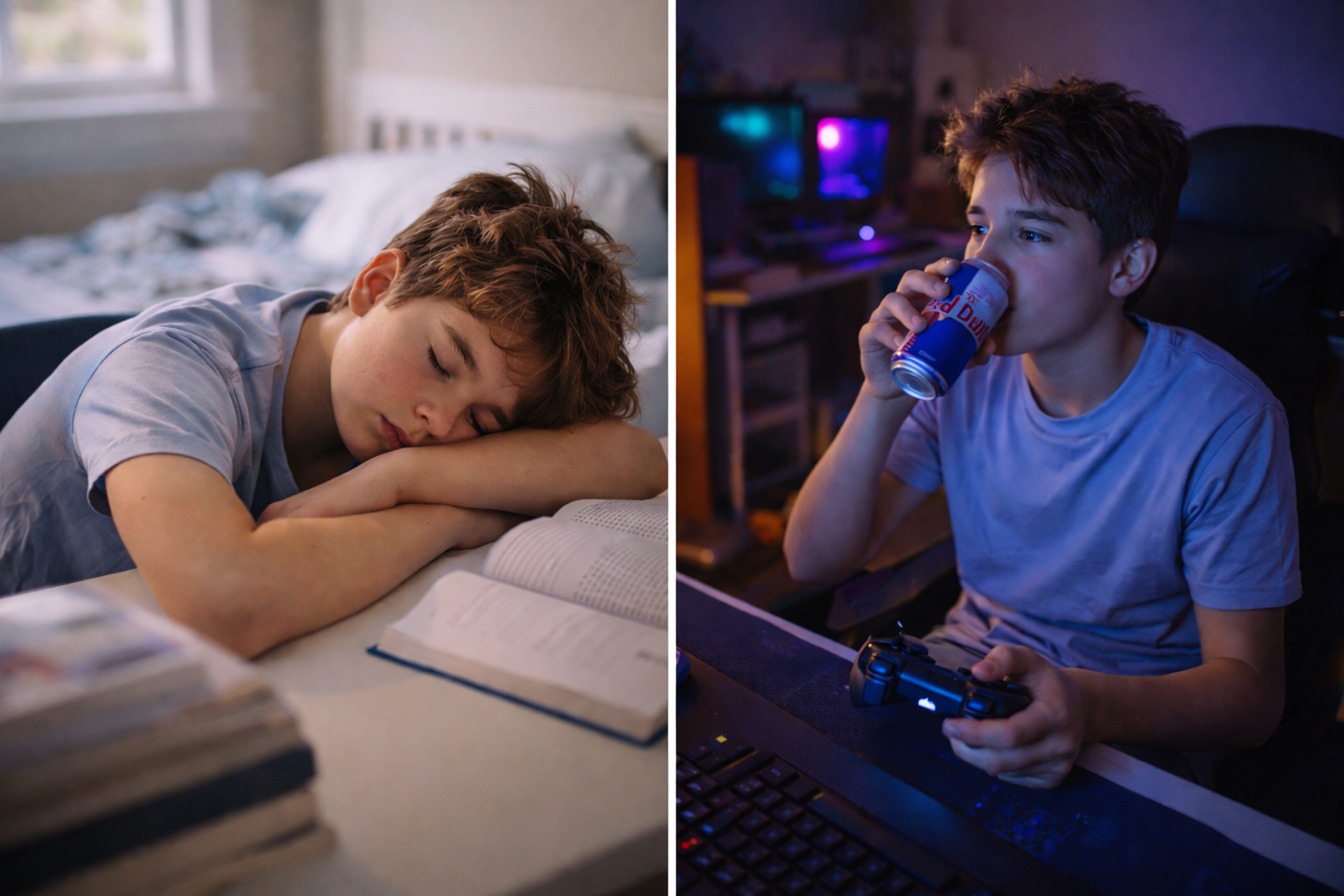
Understanding Excessive Daytime Sleepiness
Excessive daytime sleepiness (EDS) — feeling persistently tired, struggling to stay alert during the day, dozing off unexpectedly — isn’t just “feeling groggy.” It often reflects insufficient or poor-quality sleep, especially in teenagers and young people who have changing sleep physiology, sleep needs and habits. Most adolescents naturally begin to fall asleep later due to biological shifts in their internal clocks, yet early school start times and lifestyle factors mean many don’t get the 8–10 hours of sleep they need each night. As a result, a lack of sleep can affect mood, academic performance, memory and emotional regulation, and increase daytime fatigue and sleepiness. (sleephealthfoundation.org.au)
There are a few key areas where strong sleep hygiene — the daily habits and environment that support good sleep — can make a real difference in reducing daytime sleepiness and helping you feel more refreshed:
Maintain a Consistent Sleep Schedule
Going to bed and waking up at the same time each day helps train your body’s internal clock. Regularity makes it easier to fall asleep and wake up naturally, and stabilises your sleep–wake cycle. Whether it’s school nights or weekends, keeping to a routine sets the stage for more restful sleep. (sleephealthfoundation.org.au)
Limit Technology Use Before Bed
Using screens (phones, tablets, laptops) in the evening — especially interactive devices — can delay bedtime and interfere with sleep onset. Bright screens suppress melatonin, the hormone that helps your body prepare for sleep, and prolonged screen use can increase alertness when your body should be winding down. Try to avoid screens at least an hour before bed, or switch to passive activities like reading or listening to relaxing music instead. (sleephealthfoundation.org.au)
Be Mindful of Caffeine Intake
Caffeine is a stimulant that can make it harder to fall asleep and can reduce sleep quality even hours later. It’s found in coffee, tea, energy drinks, cola drinks and chocolate — and can linger in the body for several hours. For better sleep, avoid caffeine late in the afternoon and evening, and reduce overall intake if you notice sleep difficulties. (sleephealthfoundation.org.au)
Create a Relaxing Pre-Sleep Routine and Environment
Good sleep hygiene includes having a buffer zone before bedtime to relax and unwind. Avoid stimulating activities close to bedtime, dim the lights, and engage in calming rituals like gentle stretching or reading. Make sure your bedroom is quiet, cool and comfortable, with minimal distractions. Using your bedroom only for sleep helps train your brain to associate that space with rest. (sleephealthfoundation.org.au)
Get Daytime Light and Physical Activity
Exposure to natural light during the day — especially in the morning — helps regulate your body clock and makes it easier to feel sleepy at night. Regular daytime activity and some outdoor time can enhance your sleep drive, meaning you’ll fall asleep quicker and sleep more soundly. (sleephealthfoundation.org.au)
Why Sleep Hygiene Matters
Improving your sleep hygiene isn’t a quick fix — it’s about giving yourself the right tools in the toolkit that support optimal sleep patterns. But making small, consistent changes can pay off with better sleep quality, reduced daytime sleepiness, improved mood and sharper thinking. It’s especially important for teens and young adults, who are biologically predisposed to later sleep times yet still need plenty of restorative sleep. (sleephealthfoundation.org.au)
If you or someone you know is struggling with persistent daytime tiredness, difficulty falling asleep, or frequent night-time awakenings despite good sleep hygiene, consider talking to your GP or sleep specialist — there may be other factors at play that need personalised assessment and support.